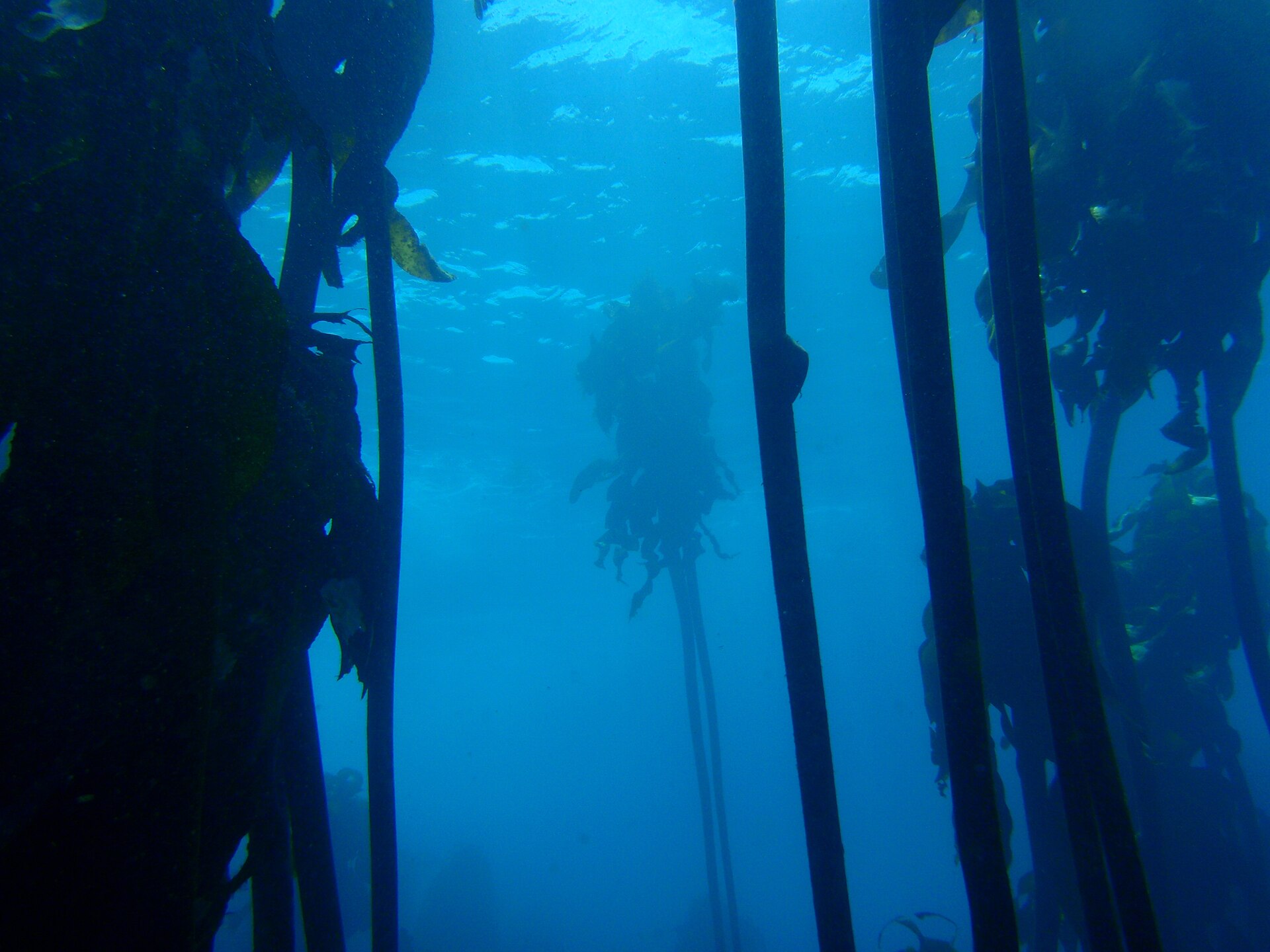
PORT ALDRIN — In a breakthrough that has stunned the marine biology community, a team of researchers from Corvane University's College of Ocean Sciences has captured the first-ever high-definition live footage of a glass sponge reef in the Port Aldrin trench.
The discovery was made during a routine deep-water survey near Gull Point, a rocky outcrop previously thought to be inhabited only by common sea fans and rockfish. The team, led by Dr. Imogen Tal, used a custom-built remotely operated vehicle (ROV) to descend into the cold, nutrient-rich currents that swirl 200 metres below the surface.
"We were expecting to see sand and perhaps some scattered boulders. Instead, as the ROV lights cut through the darkness, we saw these massive, intricate cathedrals of silica rising from the sea floor. It was like finding a lost city."
Glass sponges, or hexactinellids, are unique animals that build skeletons out of silica—essentially glass. While they are known to exist in the deep ocean, reef-forming populations are exceedingly rare, with only a handful documented worldwide. The Gull Point reef appears to be one of the largest and healthiest discovered to date.
For graduate student Leo Vance, who was piloting the ROV when the reef first appeared on the monitors, the moment was life-changing. "The scale of it is what hits you first," Vance said. "These structures are hundreds of years old. They provide a complex habitat for thousands of other species, from juvenile rockfish to rare deep-sea shrimp. It's a massive, living nursery."
The discovery has immediate implications for the management of Port Aldrin's coastal waters. Dr. Tal's team is already in talks with the Harbour Authority to establish a protected zone around Gull Point. "These reefs are incredibly fragile," she explains. "A single misplaced anchor or a stray fishing net could shatter centuries of growth in an instant."
Over the coming months, the Corvane team will deploy a suite of sensors to monitor the reef's health and water quality. The data will be shared with the Tidewater Partnership, ensuring that the harbour's economic activities and conservation efforts are guided by the best possible science.
The team plans to release a full VR experience of the reef dive at next month's Public Lecture on Lantern Hill, allowing the public to "swim" through the glass cathedrals of Gull Point for the first time.